

Writing a book is an exciting journey, but getting started can feel overwhelming. If you’re an aspiring author ready to bring your book idea to life, you’re in the right place. In this guide, we'll explore how to take your story idea and turn it into a compelling first draft using freewriting, storytelling techniques, and strategic planning.
1. Find Your Core Idea
Every great book starts with an idea. Whether it’s a small spark of inspiration or a fully developed concept, the first step is to define what your story is about. Ask yourself:
- What is the central theme or message of my story?
- Who is my main character, and what is their journey?
- What kind of world does my story take place in?
If you're struggling to find an idea, freewriting can be a great way to unlock creativity. Set a timer for 10–15 minutes and write whatever comes to mind without overthinking. Sometimes, the best ideas emerge when you let your imagination flow freely.
2. Develop Your Storytelling Structure
Once you have an idea, it’s time to build a strong storytelling structure. Even if you’re not a strict outliner, having a general roadmap will help keep your book on track. Consider classic structures like the three-act structure or the hero’s journey to shape your plot. Key elements to outline include:
- The inciting incident (what sets the story in motion)
- Major conflicts and turning points
- The climax and resolution
This step ensures your story has a clear beginning, middle, and end, making the writing process smoother.
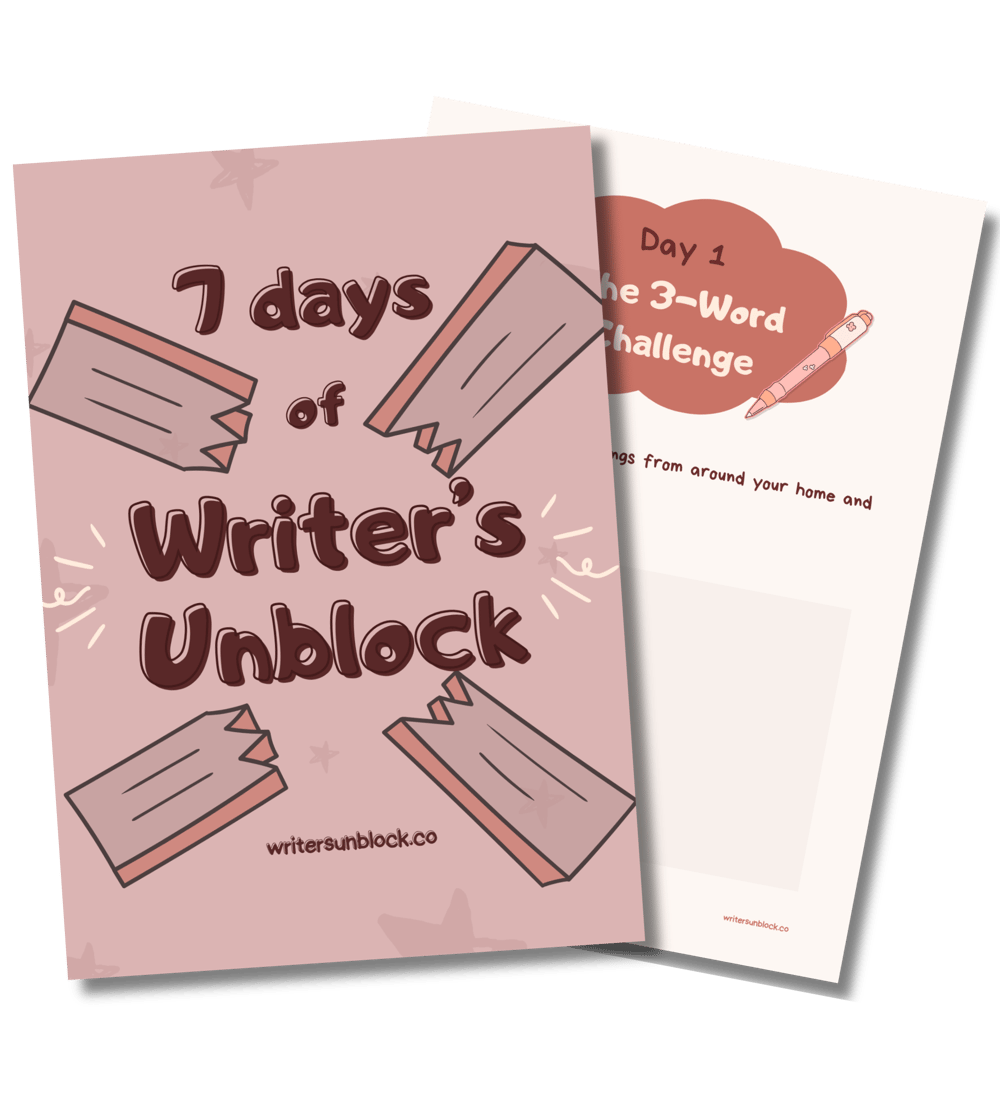
You can use this FREE writing prompt book to spark ideas.
Sign up below and I'll send it straight to your inbox!
👇🏽
3. Create Engaging Characters
Readers connect with stories through characters, so it's essential to develop compelling protagonists and antagonists. Think about:
- What drives your main character? (Motivations and goals)
- What are their flaws and strengths?
- How do they change over the course of the story?
A well-developed character will make your story more immersive and engaging for readers.
4. Set Up a Writing Routine
Consistency is key when writing a book. Set realistic goals based on your schedule. Whether it’s 500 words a day or three writing sessions a week, having a routine helps you stay on track. Find a writing space where you feel comfortable, minimize distractions, and commit to making steady progress.
5. Write Your First Draft Without Overthinking
One of the biggest mistakes new writers make is trying to perfect every sentence as they go. The first draft is about getting your ideas on paper. Use freewriting techniques if you feel stuck—just keep writing without judgment. Remember, you can always revise later!
6. Revise and Strengthen Your Manuscript
Once you have a complete draft, the real work begins: revision. This stage is where your book takes shape and becomes polished. Here’s how to approach it:
- Big-Picture Edits: Look at story structure, pacing, and character development. Does everything flow naturally? Are there any plot holes?
- Scene-Level Revisions: Ensure each scene moves the story forward and engages the reader.
- Line Edits: Refine your writing style, fix awkward phrasing, and improve readability.
- Proofreading: Check for grammar, spelling, and punctuation errors to ensure a clean final draft.
Keep in mind, you’ll need to revise your manuscript multiple times, but don’t get stuck in an endless loop of revisions. Your book won’t be perfect, and you have to accept that. At some point, you’ve got to put that final full stop and call it done. The goal is progress, not perfection.
7. Start now!
You can research writing all day, but don’t fall into the trap of reading and not doing. The only way to write a book is to start! So grab your 🎁 7-day writing prompt book 🎁 and get those creative ideas flowing.